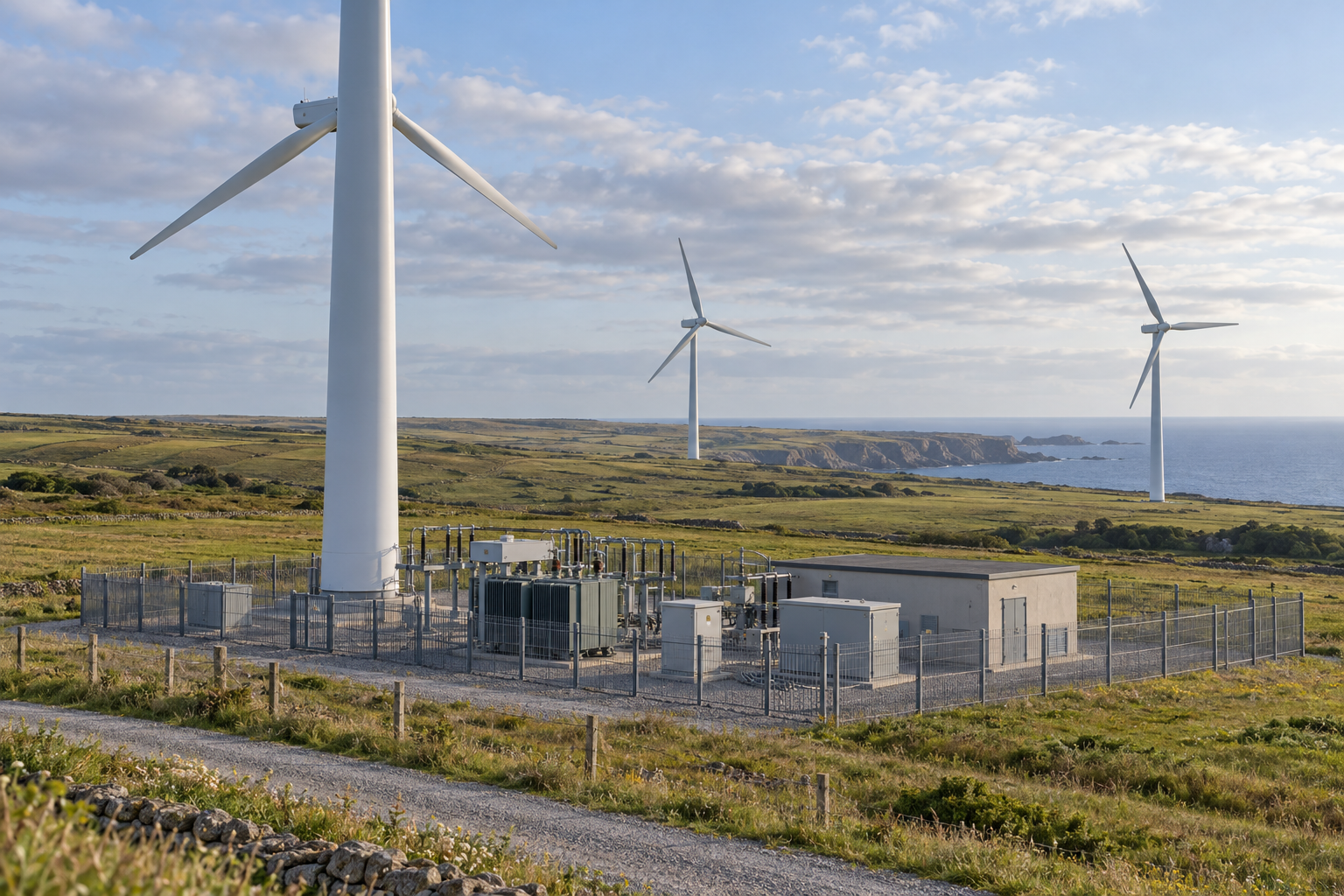
The electricity a wind farm uses itself
A wind farm can become an electricity customer when the wind drops. Its own meters reveal the motors, controls and heaters behind that change of direction.
About the author
I write about energy systems, from stored heat to the changing output of a power plant. My interests include measurement, system boundaries and the practical differences between a promising device and a working network.
I build each essay around a concrete question, read the underlying sources and separate observed results from interpretation. I want the details to remain clear enough that a reader can follow the argument and examine the evidence.
A wind farm can become an electricity customer when the wind drops. Its own meters reveal the motors, controls and heaters behind that change of direction.
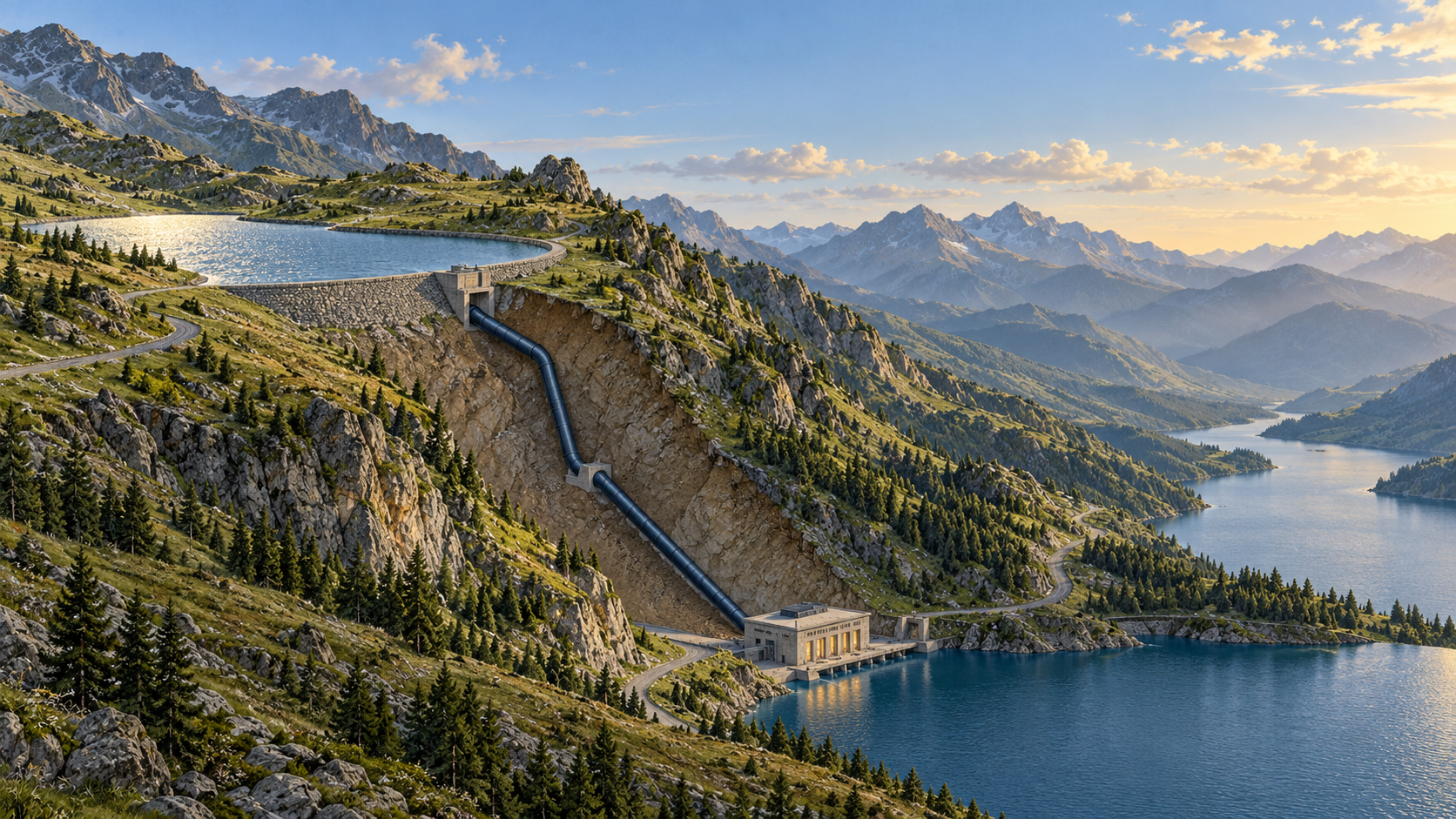
Pumped storage lifts water when electricity is available and sends it downhill when the grid needs it. The reservoirs hold the energy; the head, machinery and landscape set the limits.
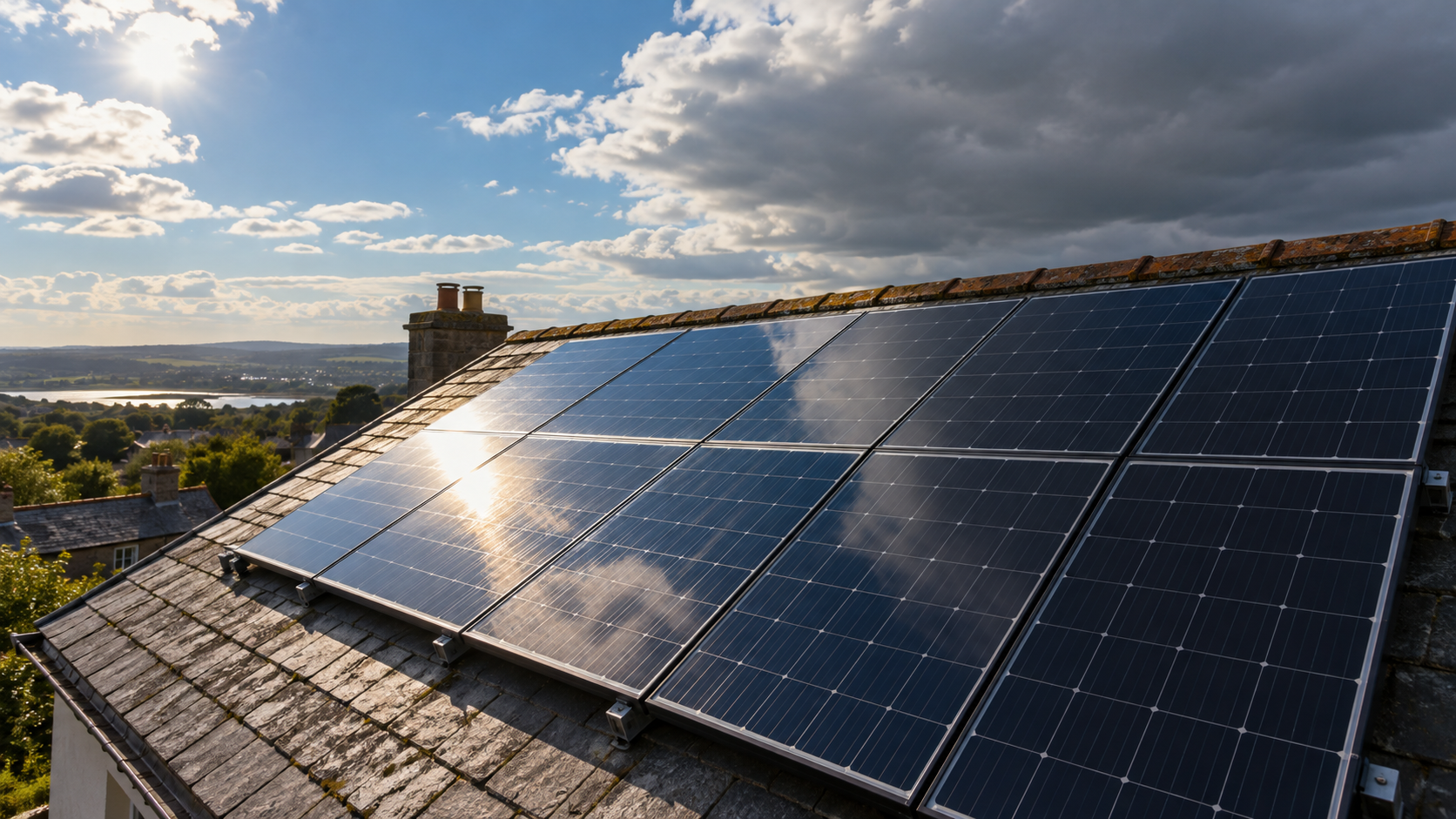
The wattage on a solar module is a measurement at agreed test conditions. Sun angle, cloud, cell temperature, shade, wiring and the inverter determine what reaches a meter over time.
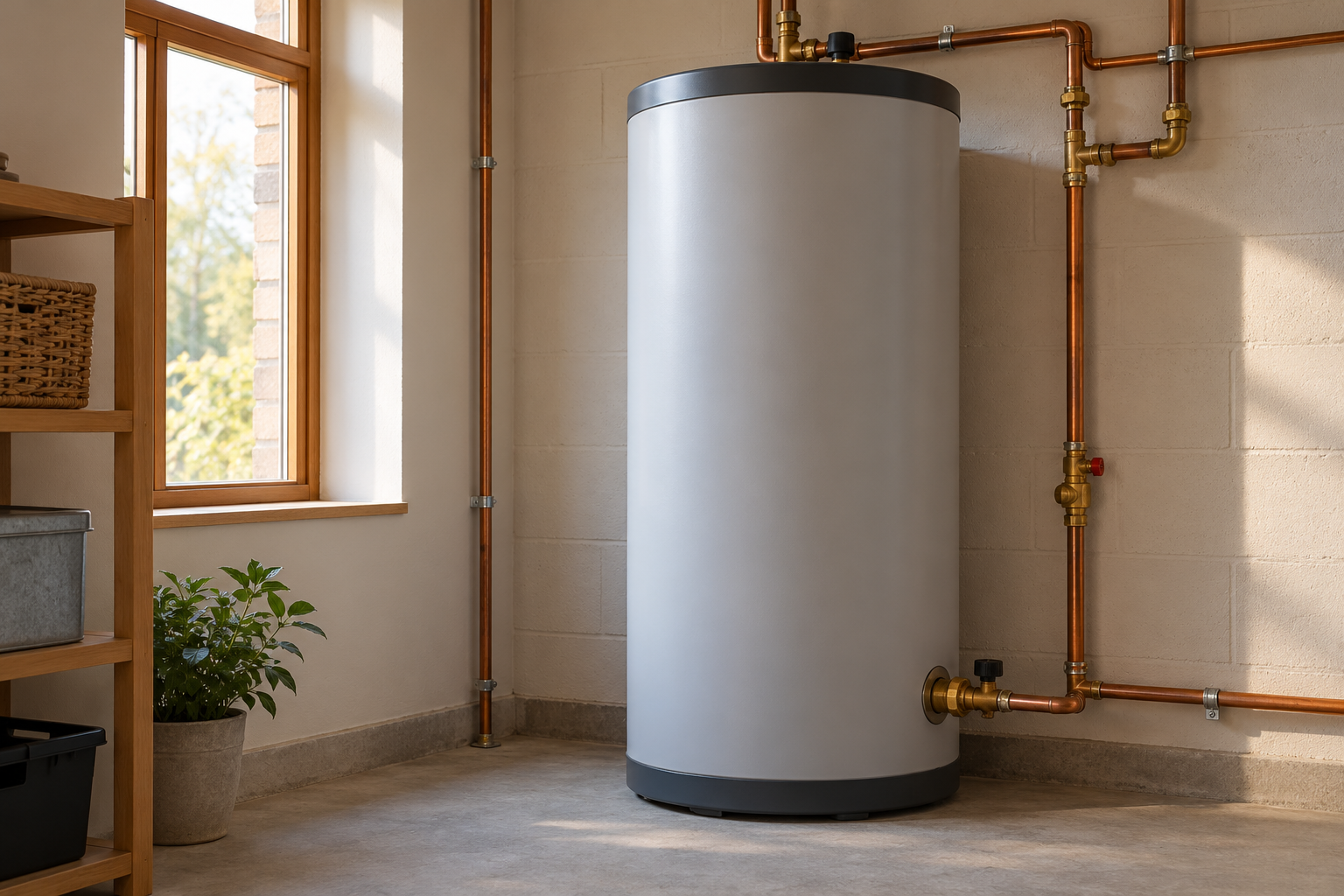
A tank's litres and average temperature can hide the hot layer that actually serves the next draw. Stratification preserves useful delivery temperature; mixing, flow and standby losses change what remains available.
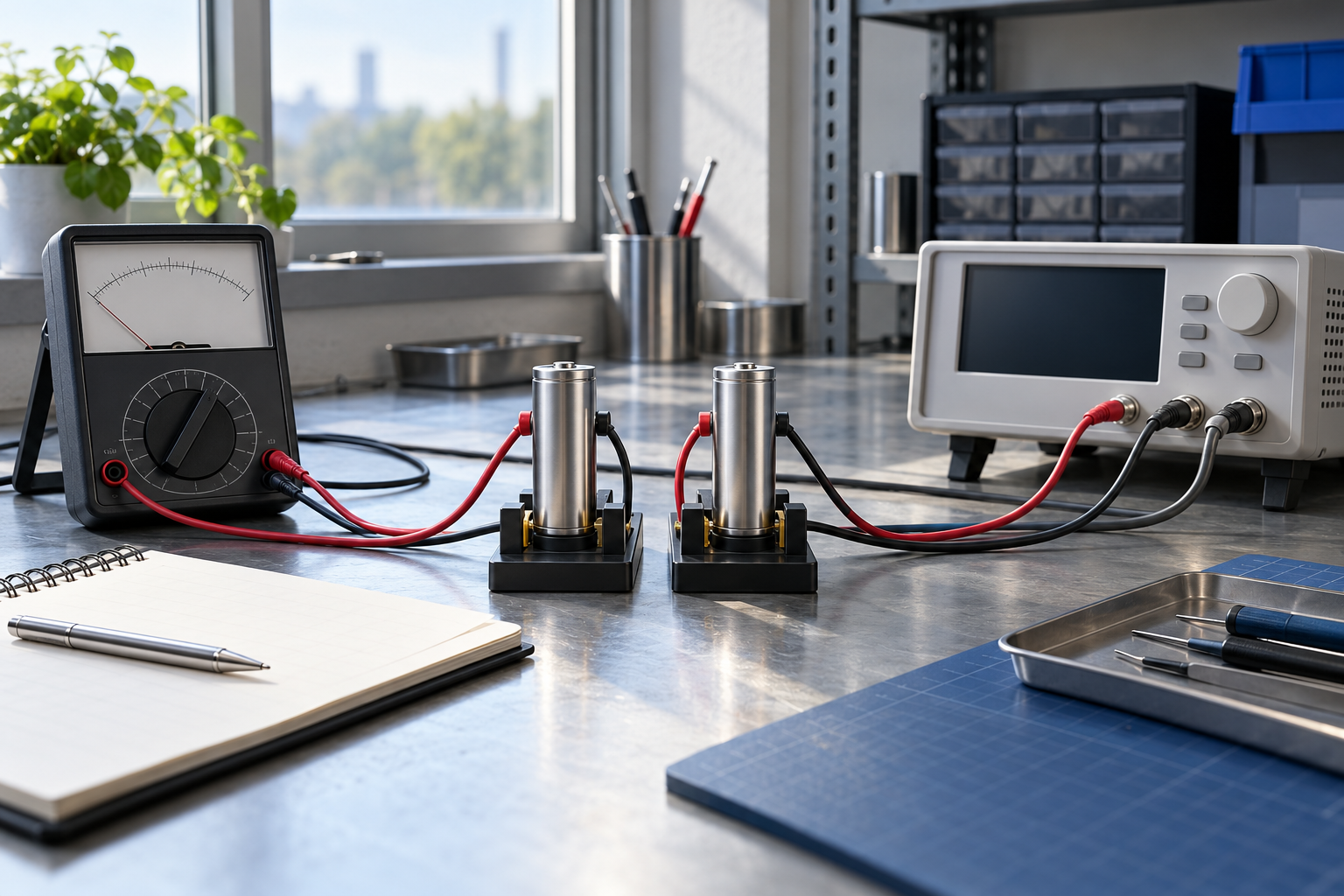
A full charge, remaining capacity, power delivery and future life are different battery questions. Good measurements name the task, test conditions and limits of each result.